
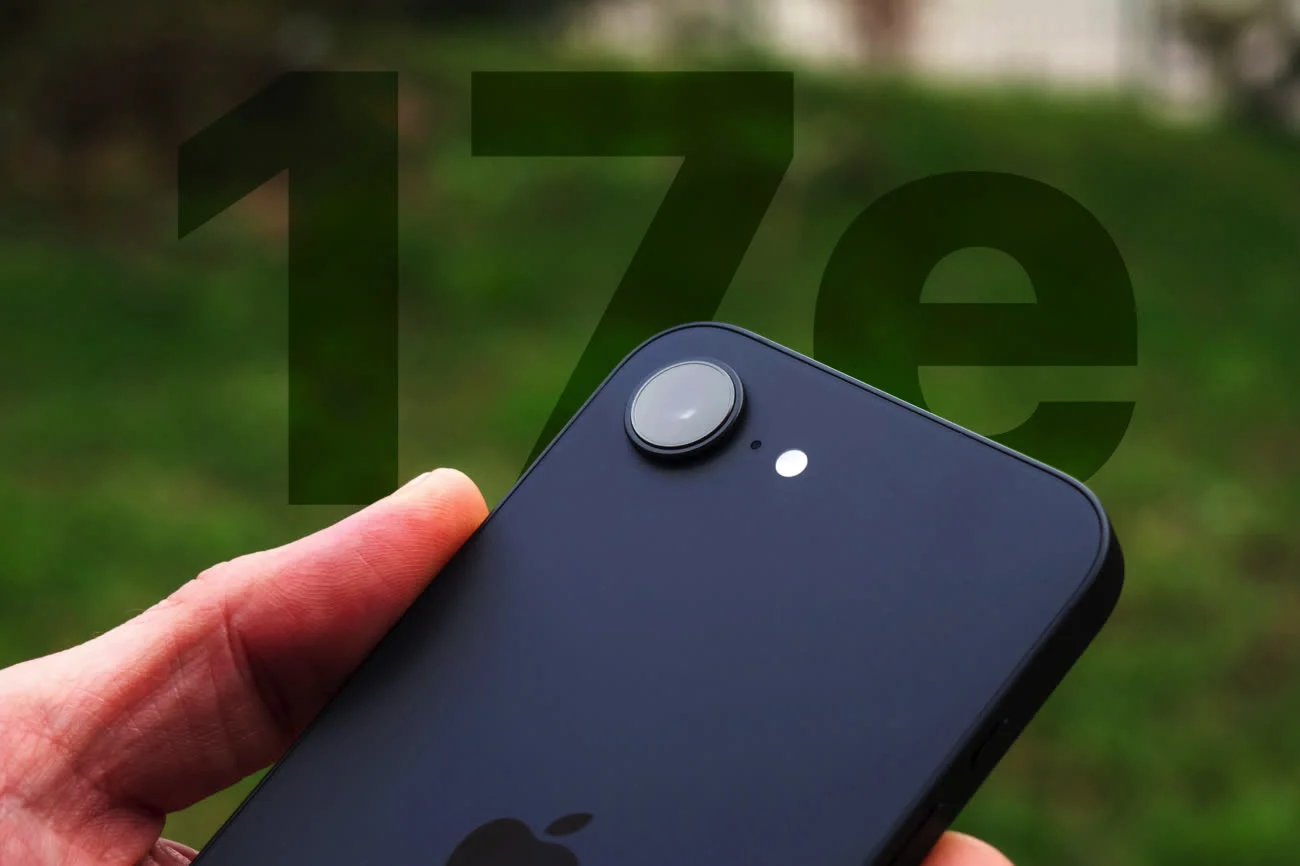
- Apple announces the iPhone 17e at $599 with 256GB base storage — effectively $100 cheaper per gigabyte than the iPhone 16e.
- The device ships March 11 with the A19 chip, a 48MP Fusion camera, 6.1-inch Super Retina XDR display, and Ceramic Shield 2.
- Apple CEO Tim Cook called iPhone 17 demand “simply staggering” after record upgrades in Q4 2025.
- IDC estimates the global smartphone market will decline 6.8% in Q1 2026 due to AI-driven memory shortages, part of the same demand spike fueling massive chip factory investments.
- Apple’s revamped Siri powered by Google’s Gemini and a foldable iPhone are both expected later this year.
A19 Chip, 48MP Camera, and Apple Intelligence for $599
Apple released the iPhone 17e on March 2, a budget-tier iPhone 17 starting at $599 for the 256GB model — double the base storage of the iPhone 16e at the same price, making it effectively $100 cheaper per gigabyte. The phone runs the A19 chip with a 6-core CPU, 4-core GPU, and a 16-core Neural Engine optimized for on-device generative AI. Apple Intelligence runs natively, giving budget buyers access to the same AI features as the $799 iPhone 17.
The hardware holds up. The 6.1-inch Super Retina XDR display replaces the smaller screen of the 16e, and a 48MP Fusion camera replaces the old dual-lens setup with a single, sharper sensor. Ceramic Shield 2 on the front delivers 3x better scratch resistance than the 16e, and MagSafe wireless charging jumps from 7.5W to 15W. The phone ships in black, white, and pink with Apple’s second-generation cellular modem — twice the speed of last year’s, according to the company. “The demand for iPhone was simply staggering,” Tim Cook said on Apple’s January earnings call, after the iPhone 17 drove the company past Wall Street’s Q4 2025 revenue expectations and delivered record upgrade rates with double-digit Android switcher growth.
A Contracting Market and Apple’s Most Aggressive Year
The iPhone 17e arrives as the broader smartphone industry contracts. The International Data Corporation projects a 6.8% decline in global smartphone shipments for Q1 2026, driven by an AI-fueled memory chip shortage that has squeezed supply chains and pushed component costs higher. Apple’s vertical integration gives it more insulation than most rivals, but the pressure is real — and the 17e’s price point is a calculated move to pull in holdouts and Android users before the market tightens further. For buyers weighing an even cheaper Apple option, the $599 MacBook Neo launched the same week with the same A-series chip strategy.
Beyond the 17e, Apple faces a pivotal year. The company’s long-delayed overhaul of Siri — now powered by Google’s Gemini AI model — is expected to ship later in 2026, a critical test of whether Apple can close the gap with ChatGPT and Google Assistant in the AI race. Bloomberg reports that Apple’s first foldable iPhone could also debut this year. Monday’s announcement included a new iPad Air powered by the M4 chip, rounding out what TechCrunch called Apple’s most aggressive product slate in years.